
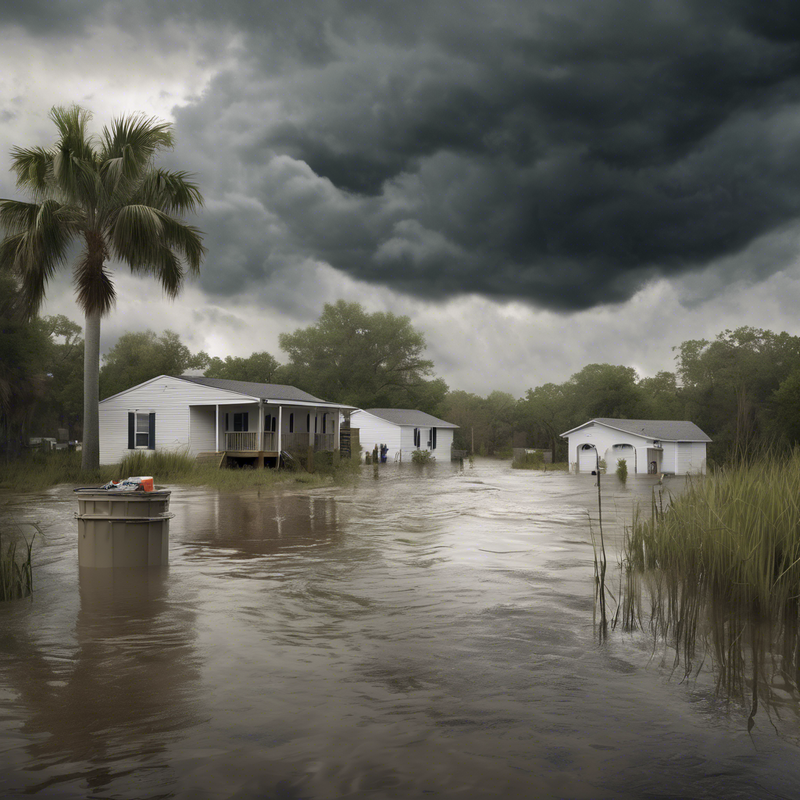

What FL Residents Need to Know About Flash Flooding After Deadly Texas Tragedy 🌧️⚠️
In the wake of devastating flash floods that recently swept through Texas, leaving communities in ruins and families shattered, one can’t help but wonder: Are we really prepared for nature’s watery tantrums? As Floridians, who have their own history of unpredictable deluges, the urgency for awareness grows ever more poignant. Flash flooding is not just a nuisance here; it’s a force of nature that demands respect. 💧
Texas—a state larger than life—often embodies the epicenter of bizarre weather phenomena. Yet, the paradox of warm, sunny days followed by sudden torrents is just as true in Florida. The irony? Many of us live in coastal areas prone to similar disasters, yet we often engage in a dance of denial, convinced that *this* won’t happen to us. But losing sight of that reality can be perilous.
The Rapid Rise of Water: What It Means for Floridians
Flash flooding can strike with the ferocity of a riptide, transforming peaceful neighborhoods into roaring rivers overnight. In less than six hours, a gentle rain can escalate into a catastrophic flood. Therefore, the question arises: Are we really ready to handle such swift and savage storms? 🌪️
Statistics reveal a startling truth: in the last decade, Florida has seen a significant increase in heavy rainfall events due to climate change. According to the National Weather Service, average annual rainfall has risen by over 5% across the state, creating a perfect cacophony for floods to flourish.
This spike in precipitation aligns ominously with the increasing frequency of *extreme weather*. In 2022 alone, the Southeast experienced 45% of the country’s flooding disasters, prompting alarms that echo far beyond Texas.
Preparedness: Turning Awareness into Action
Preparation is the umbrella we must hold up against nature’s storms (figuratively, although a literal one isn’t a bad idea either). With each drop of rain, we should be asking ourselves: “What’s my plan?” From sandwiches and flashlights to contingency plans, preparedness is our most reliable armor when the clouds break.
- Create an Emergency Plan: Setup a family communication strategy, designating meeting places in case of evacuation. Remember, waiting until the last minute could turn gathering your loved ones into a chaotic scramble.
- Be Weather-Wise: Keep an eye on forecasts. Modern technology isn’t perfect, but NOAA weather alerts and radar apps can provide life-saving information at a moment’s notice. Your phone can be a much better companion than your coffee table’s weather rock!
- Assemble an Emergency Kit: Stockpile essentials—food, medicine, water—enough to last for at least 72 hours. It sounds daunting, but think of it as preparing for an extended stay at an overpriced hotel, without the free breakfast.
- Understand Your Risks: Know whether your home is in a flood-prone area. A simple check on FEMA’s flood map can be as enlightening as a deep dive into your family’s genealogy.
Lessons from Texas: A Cautionary Tale
The recent Texas tragedy is a stark reminder that tragedies often precede transformation. It unveils the indisputable need for community resilience, which is often as fragile as the wetlands that define our beloved landscapes. After the waters recede and the dust settles, it’s vital to learn from these calamities.
While Texas grieves, perhaps our fixation should pivot from what happens to others to what we can learn to fortify our own communities. The juxtaposition of one state’s despair and another’s potential preparedness reveals the thin line between survival and vulnerability. We can be the shield that prevents history from repeating itself. 🛡️
In a moment of irony so subtly profound, the residents of Florida—the “Sunshine State”—may wind up playing a pivotal role in rain management, leading by example through proactive community engagement.
Embracing Community Over Chaos
As the warm winds of Florida whip through the palm trees, we must recognize that our shared experiences can forge an unyielding bond. When facing natural catastrophes, we often find the strength to rise together; neighbor helps neighbor, sharing intentions and resources. Perhaps it takes a catastrophe to kindle a sense of togetherness that weather forecasts alone cannot foster.
In short, we need to prioritize community engagement and advance flood-mitigation strategies. Whether it’s lobbying for better drainage infrastructure or organizing community safety workshops, every drop of effort counts.
The path forward is not merely about survival; it is about thriving in the face of adversity. As we gaze skyward, we must remember the storm clouds could just as easily become a vibrant sunset, if we prepare to embrace the change. 🌅


